Eighteen Years of Kindle, and Time for Another
I jumped on the Kindle bandwagon when it was first announced in 2008. In fact, I still have the original Kindle tucked away in a drawer, hoping someday a great-grandchild will sell it for a tidy sum to some wealthy old technology collector. Since then I’ve gone through another half-dozen newer models. I won’t even hazard a guess at how many books I’ve read on Kindle, as it was my constant dinner companion when working on the road. Initially it was so unique that just having one sparked endless conversation. That ended as the Kindle became commonplace.
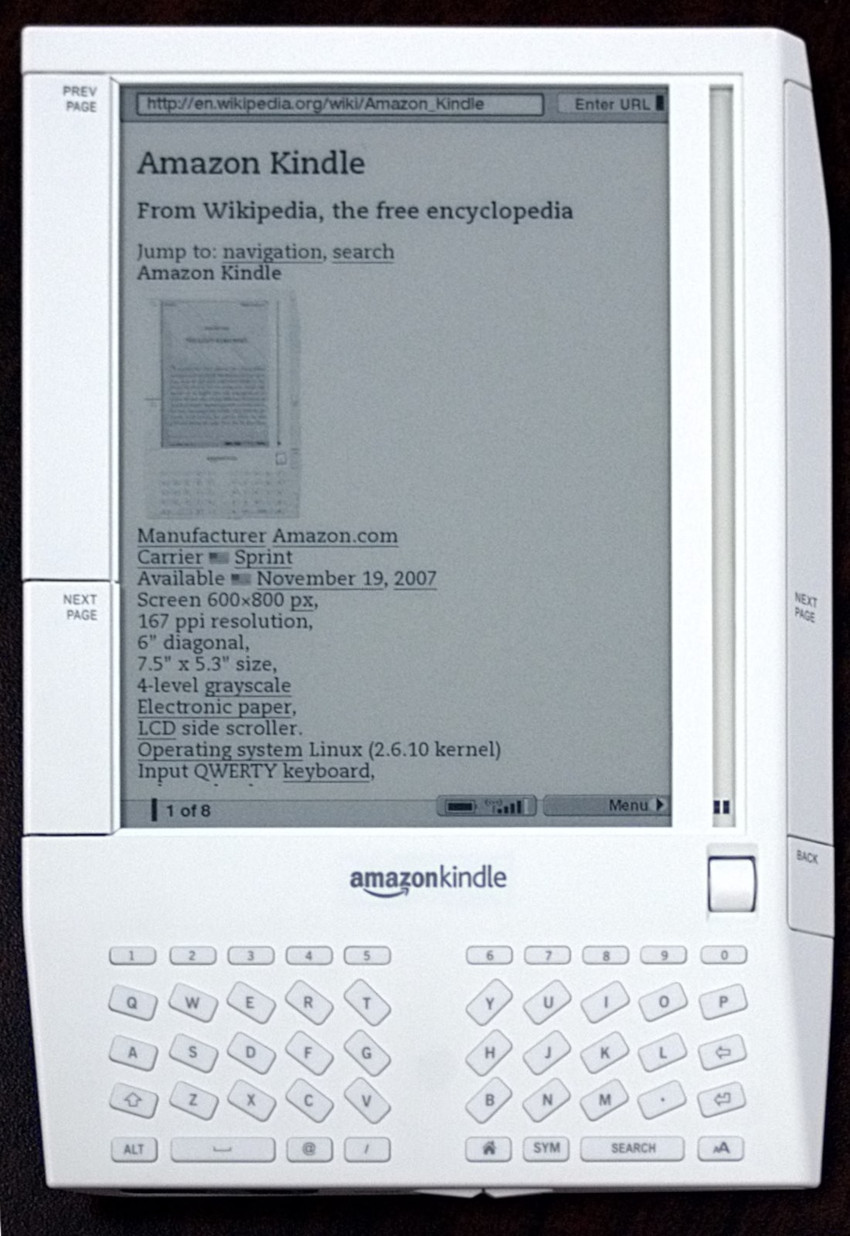
I’ve always preferred to read real printed books, but there is no denying the convenience of carrying an entire library of books in a slim electronic device. I also like the expediency of having a new book rapidly downloaded to my device as opposed to waiting on one to be shipped. Sadly enough, we don’t have a bookstore in my area anymore. It’s fifty miles to the nearest Barnes & Noble. I make the trip every few months, but I don’t expect a store to open closer anytime soon, so the Kindle carries the load.
I haven’t purchased a new unit since before Covid, so when I saw that Amazon was releasing a newly redesigned Kindle family, I figured it was time to upgrade.
Pre-ordering the new Kindle Paperwhite was an easy choice since I don’t read periodicals on the platform and have no need for a full-color display. I also have no use for the more advanced features of the Kindle Scribe. Several features of the new Paperwhite, however, seemed worthwhile.
According to Amazon:
The all-new Kindle Paperwhite is thinner and lighter than the previous lineup, waterproof with an adjustable warm light for comfortable reading at any hour, and up to 12 weeks of battery life on a single charge. The Paperwhite display uses an oxide-thin film transistor backplane and is the largest Kindle Paperwhite display with the highest contrast ratio—delivering deep blacks and crisp text, and images that pop off the screen, whether you’re reading in bright sunlight or under the covers at night.
The 12 weeks of battery life seemed especially impressive. If that figure is accurate, I’d be charging it about four times a year, and setting it aside for a week, as often happens around here, wouldn’t mean a dead battery when I pick it back up.
My new Kindle is supposed to ship on October 28th. I’ll report back once I’ve spent a few weeks with it and seen whether that battery claim holds up.